

VDSL stands for Very High Digital Subscriber Line. A VDSL modem uses copper wires or fiber-optic cables, typically found in telephone lines, to deliver high-speed internet to your devices. VDSL is known for offering some of the fastest download and upload speeds in the industry.
A modem is a small device that connects your equipment to the internet using cables. VDSL requires a compatible VDSL modem to achieve optimal internet speeds. A VDSL modem connects to your internet service provider via a telephone line.
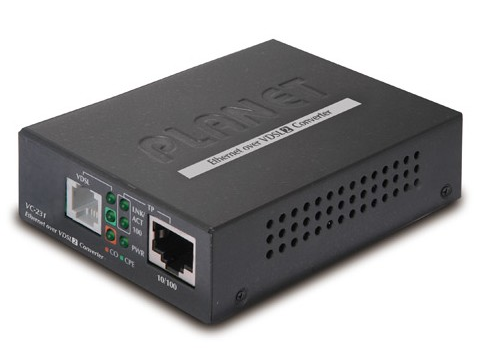
How does it work?
Similar to traditional landline telephony and how signals are transmitted, broadband lines allow data to be sent from your internet service provider via so-called DSL connections. Your VDSL modem acts as a “data translator” that connects your device to your internet provider, which then connects you to the internet.
Unlike dial-up internet, which uses telephone lines exclusively, VDSL allows you to use your phone while connected. VDSL also uses different frequency bands, allowing you to select the speed required for specific downloads or uploads.
VDSL speeds
In general, DSL speeds are highly affected by the distance from your internet provider’s central office. VDSL downstream and upstream speeds can reach up to 100 Mbps. VDSL2 can theoretically achieve data rates of up to 200 Mbps. In comparison, this is significantly faster than the typical 8–10 Mbps offered by ADSL.
Limitations
VDSL is limited to short distances, meaning maximum speeds are typically achieved within 300 meters of the central office. VDSL is not yet widely deployed due to its higher cost and distance limitations.